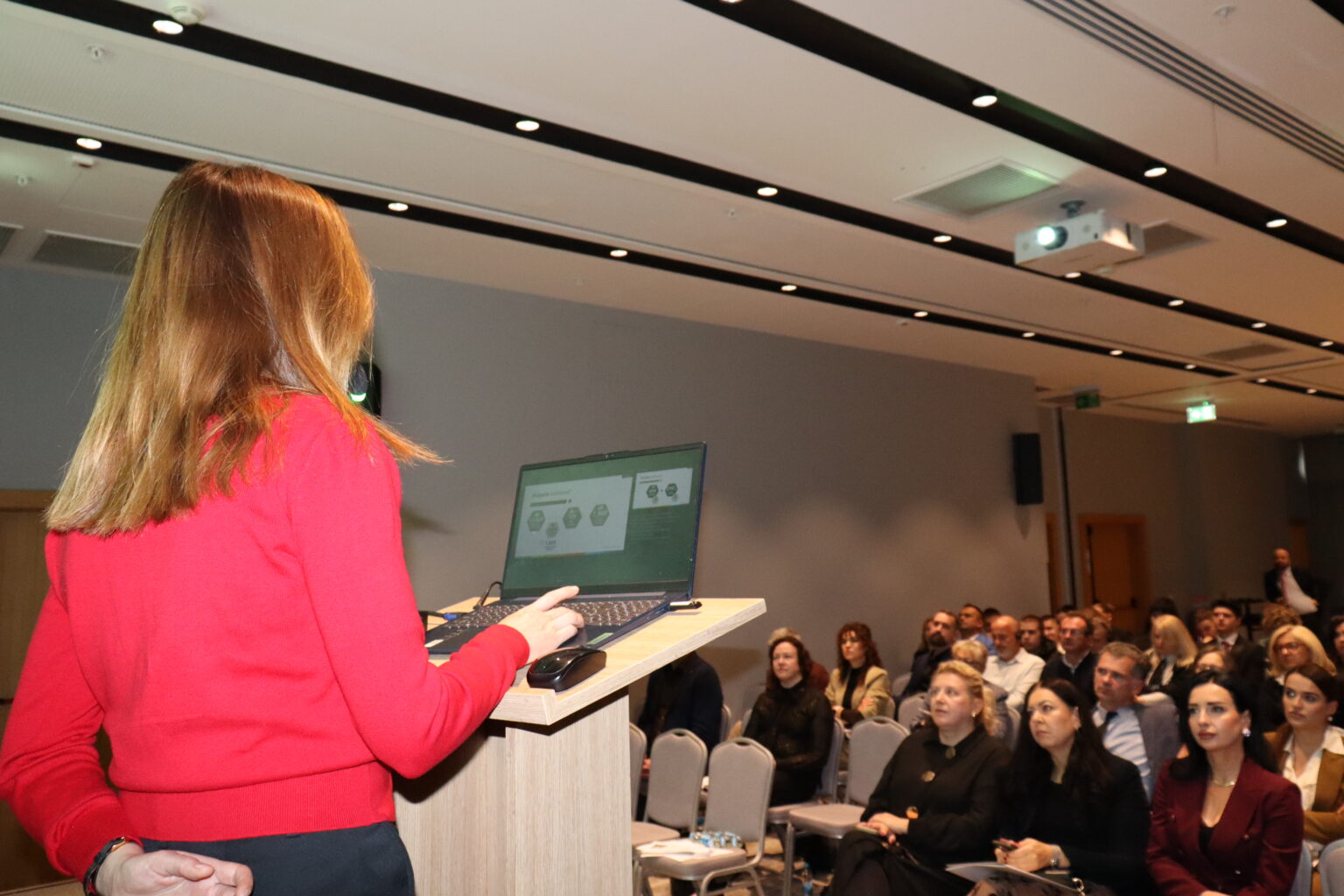
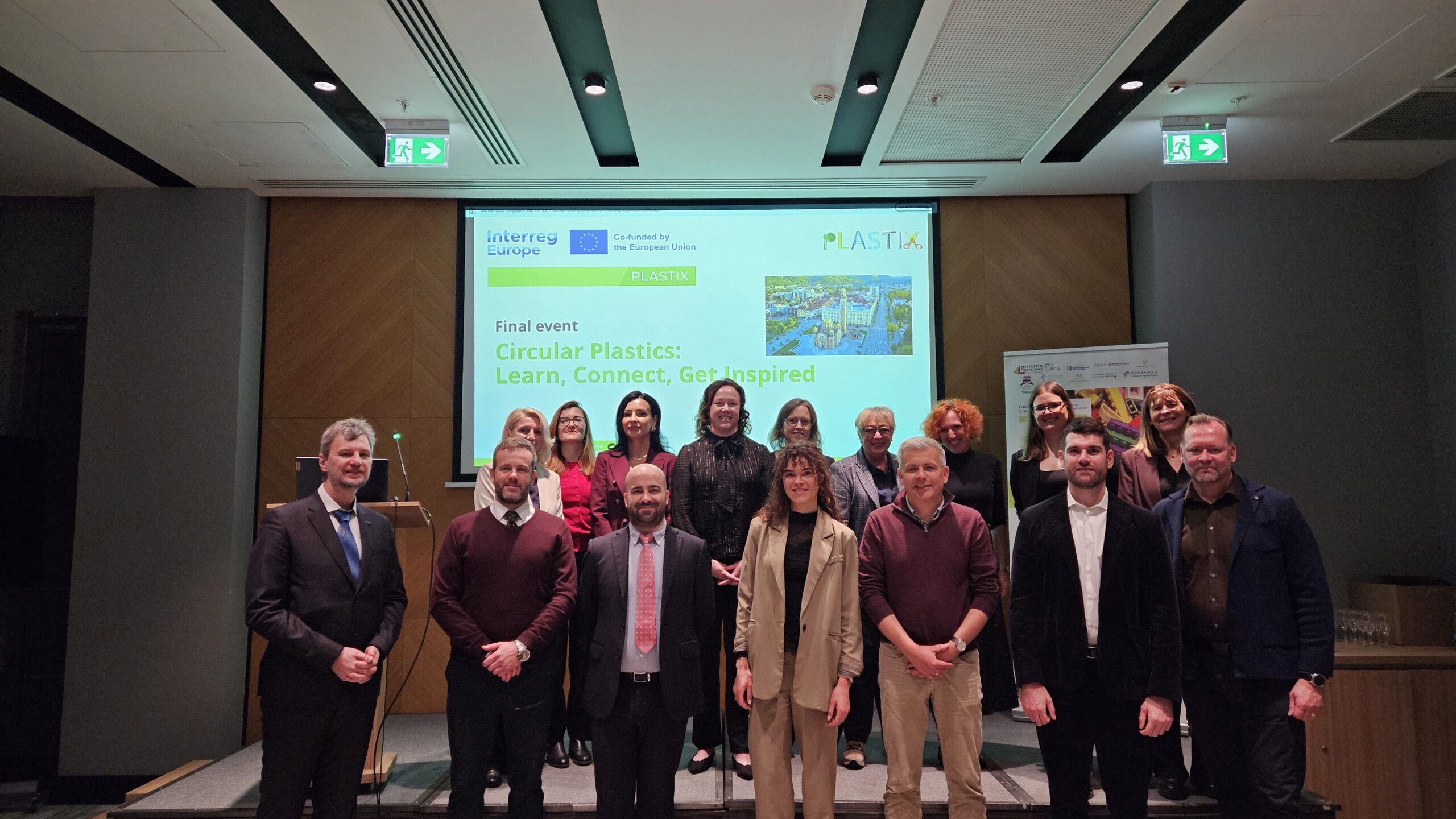
The Interreg Europe co-funded PLASTIX project celebrated its achievements and explored future opportunities for circular plastics at its final event, “Circular Plastics: Learn, Connect, Get Inspired”, held in Banja Luka, Bosnia and Herzegovina, 11–12 November 2026. The event brought together project partners, policymakers and experts to reflect on the results of interregional cooperation and discuss how to build on them.
From knowledge exchange to policy improvements
Over the past three years, PLASTIX has helped European regions learn from each other and develop more effective approaches to plastics management. Through OSDDs (On-Site Deep Dives), staff exchanges and the identification and sharing of good practices, partners have explored solutions ranging from plastics recycling and alternative materials to waste prevention and monitoring.
Most importantly, this cooperation has translated into five regional policy improvements, with a further policy improvement still under development in Catalonia.
The improvements demonstrate how ideas shared between regions can lead to concrete changes. For example, Tampere region has strengthened the role of circular economy in its regional strategy, Fryslân has introduced a more integrated approach to supporting circular plastics value chains, and Lombardy has made industrial innovation funding more accessible to smaller collaborative projects. In Slovenia, new measures address plastic and microplastic pollution, while Värmland has advanced cooperation across the packaging value chain.
The event also introduced the PLASTIX Interregional Roadmap for Plastics, which brings together the project’s lessons and identifies shared priorities for future action: accelerating circular innovation, improving plastics recycling, reducing plastic waste and strengthening international cooperation.
Circular plastics require more than recycling
One of the key messages of the seminar was that the transition to circular plastics requires a systemic approach, connecting technological innovation with policy, industry, environmental protection and stakeholder cooperation.
Esther Hofman and Tjeerd Hazenberg from the Province of Fryslân illustrated this through their region’s shift from individual recycling innovations towards a more integrated circular plastics system. Inspired by PLASTIX exchanges, Fryslân has developed new approaches to supporting collaborative projects, including the PlesticReady initiative, which considers not only technological readiness but also factors such as policy, logistics and social acceptance.
Maria Dolors Núñez from the European Chemical Regions Network broadened the discussion to Europe’s industrial future. She highlighted how circularity, industrial resilience and competitiveness need to reinforce each other, and how regional knowledge can contribute to stronger European value chains. The seminar also explored opportunities for future cooperation through a presentations on innovation and sustainability initiatives in Lombardy.
Local insights and practical experiences
The event offered an opportunity to discover circular economy initiatives in Bosnia and Herzegovina. Representatives of the Chamber of Commerce of the Republic of Srpska, the regional environmental ministry and waste management company DEP-OT shared insights into the green transition and local waste management.
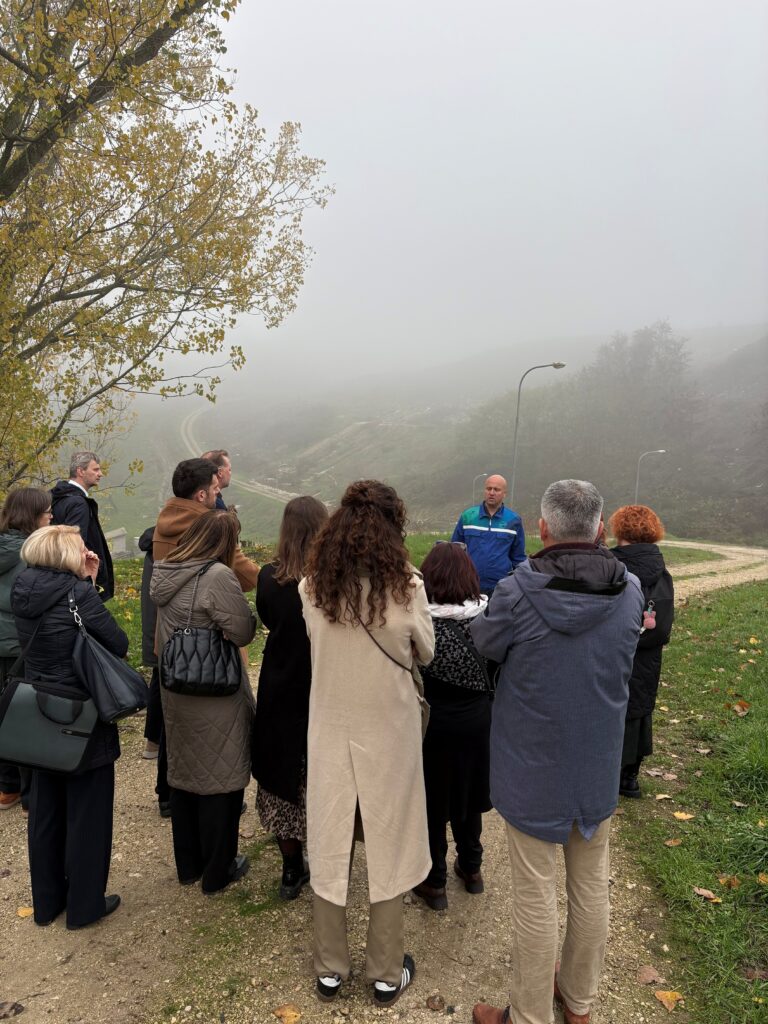
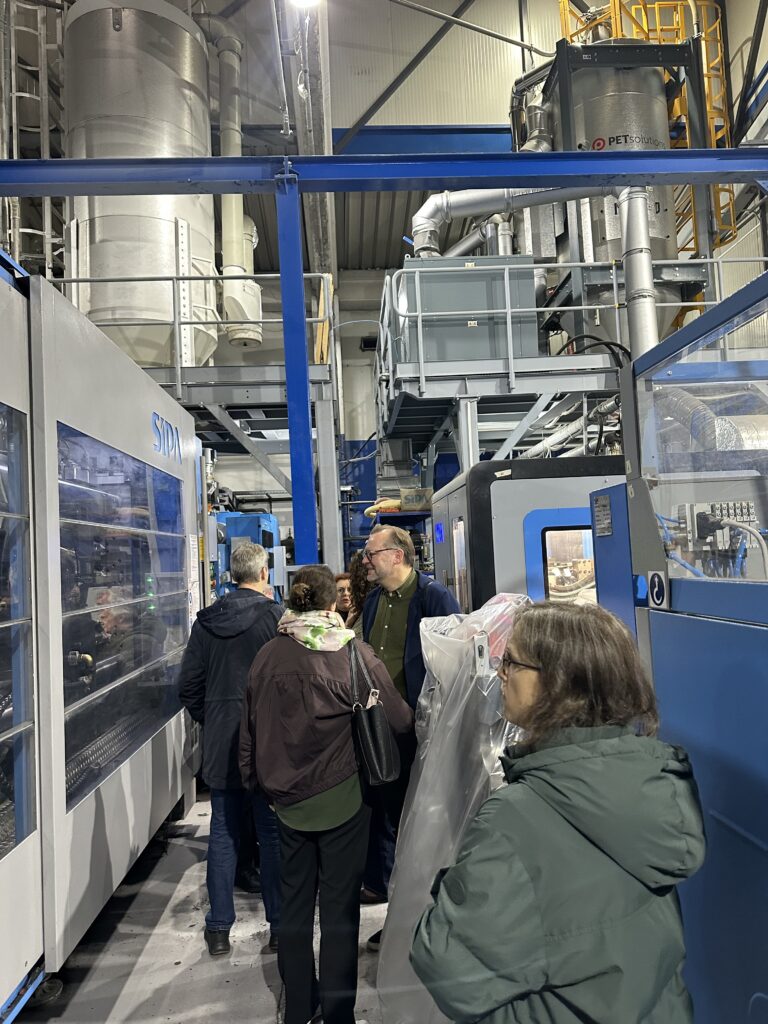
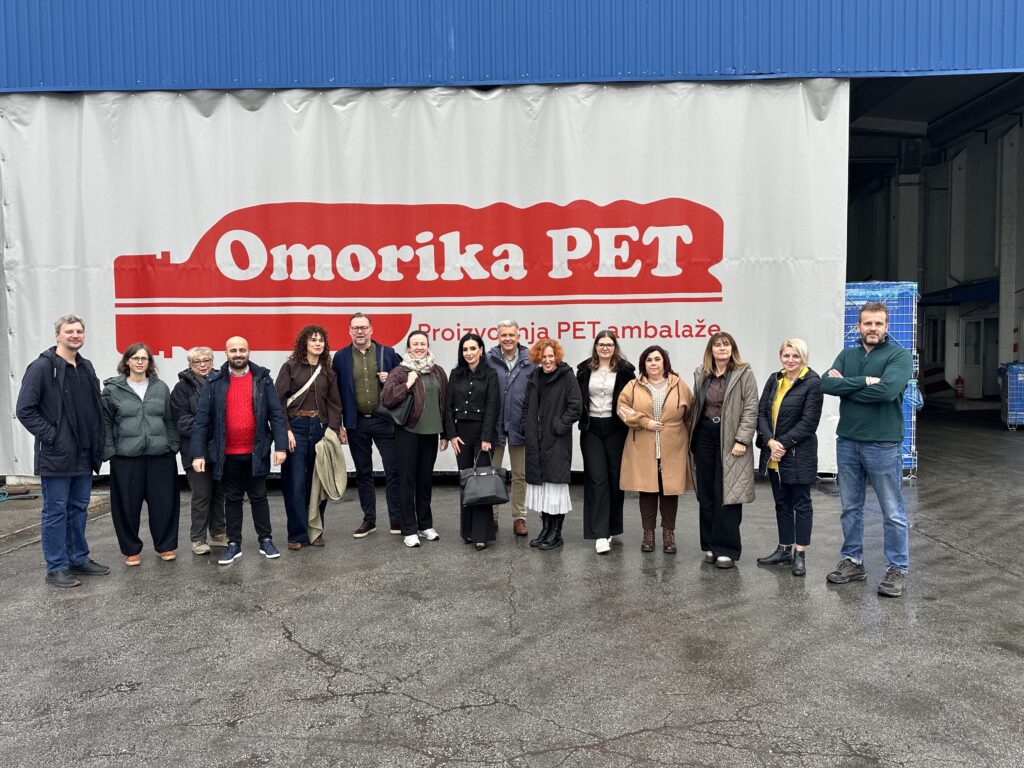
Study visits to DEP-OT in Banja Luka and the recycling companies Omorika reciklaža and Rapid in Doboj complemented the discussions, providing practical perspectives on waste management and recycling.
The event also highlighted the contributions of PLASTIX discovery partners in Bosnia and Herzegovina and Ukraine, whose participation has extended the project’s knowledge exchange beyond the EU.
Building on PLASTIX beyond the project
Although PLASTIX is approaching its conclusion, the cooperation and knowledge developed through the project offer a foundation for further action.
The final discussions emphasised the importance of maintaining connections between regions, scaling up successful solutions and contributing regional experience to future European policies, including the forthcoming Circular Economy Act.
PLASTIX has demonstrated that interregional cooperation can turn shared challenges into practical policy improvements. Its legacy lies not only in the results achieved, but also in the partnerships and knowledge that will continue supporting Europe’s transition towards a more circular plastics economy.
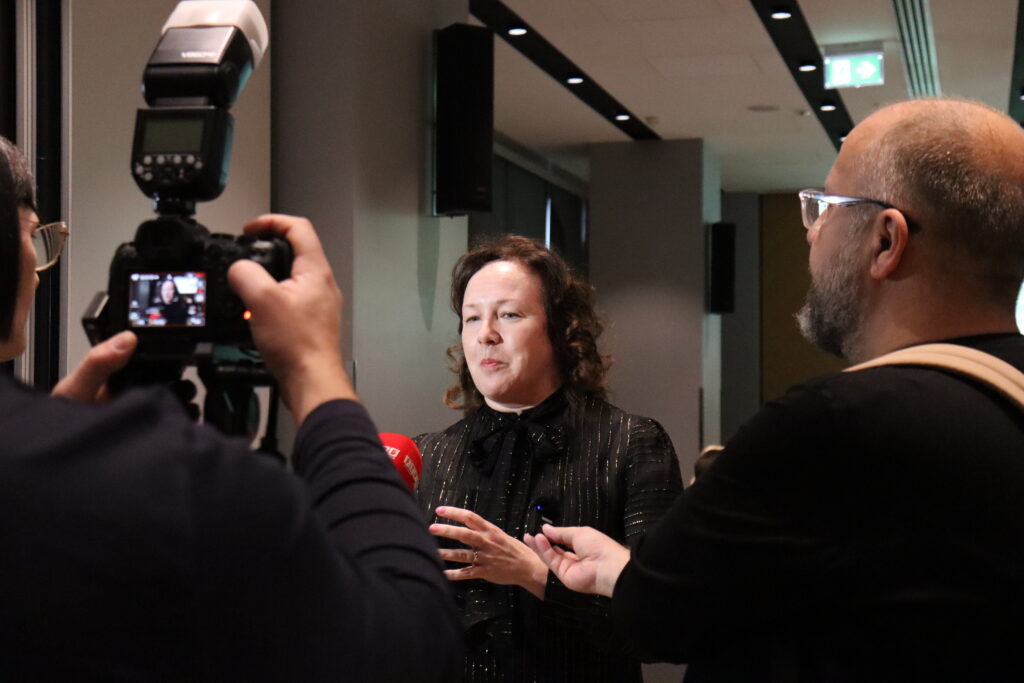
Media coverage of the final event